Building a Better Future: Why Emotional Intelligence and Inclusion Matter in Construction
The construction industry is at a crossroads. With a labor shortage exceeding 3 million positions and the highest suicide rate of any major industry, the challenges go far beyond project deadlines and budgets.

The Workforce Challenge
According to the Associated General Contractors of America (AGC), 92% of construction firms report difficulty finding qualified workers, and 88% have openings for craft workers. Labor shortages are now the leading cause of project delays, with 45% of firms reporting schedule impacts.
This workforce shortage highlights the need for creating an industry where people want to stay, grow, and succeed. Women represent only 11% of the construction workforce, representing an untapped resource that could help close critical gaps.
The Mental Health Crisis
The construction industry has the second-highest suicide rate of any profession, with 56 suicides per 100,000 male workers—four times the national average. This rate is nearly six times higher than all construction fatalities combined.
AGC leaders call it a “silent epidemic” and stress the need to reduce stigma and provide mental health resources. “We cannot stand by while a silent epidemic of suicide takes place within our industry,” said Jeffrey D. Shoaf, AGC CEO.
Breaking the Stigma in Construction
Despite growing awareness, mental health remains a taboo topic in construction. Why?
- Cultural Norms: The industry often values toughness and resilience, creating pressure to “push through” stress rather than seek help.
- Fear of Judgment: Workers worry that admitting mental health struggles could be seen as weakness or risk their job security.
- Lack of Resources: Many firms lack formal programs or trained personnel to address mental health proactively.
This stigma not only prevents individuals from seeking help but also perpetuates isolation—one of the leading risk factors for suicide.
What Companies Can Do
To change the narrative, organizations must embed mental health into their safety culture:
- Normalize Conversations: Incorporate mental health topics into safety meetings and toolbox talks.
- Peer Coaching Circles: Create small, trusted groups where workers can share experiences and support each other.
- Leadership Training: Equip supervisors with skills to recognize signs of stress and respond with empathy.
- Visible Commitment: Senior leaders should openly discuss mental health initiatives to signal that it’s a priority.
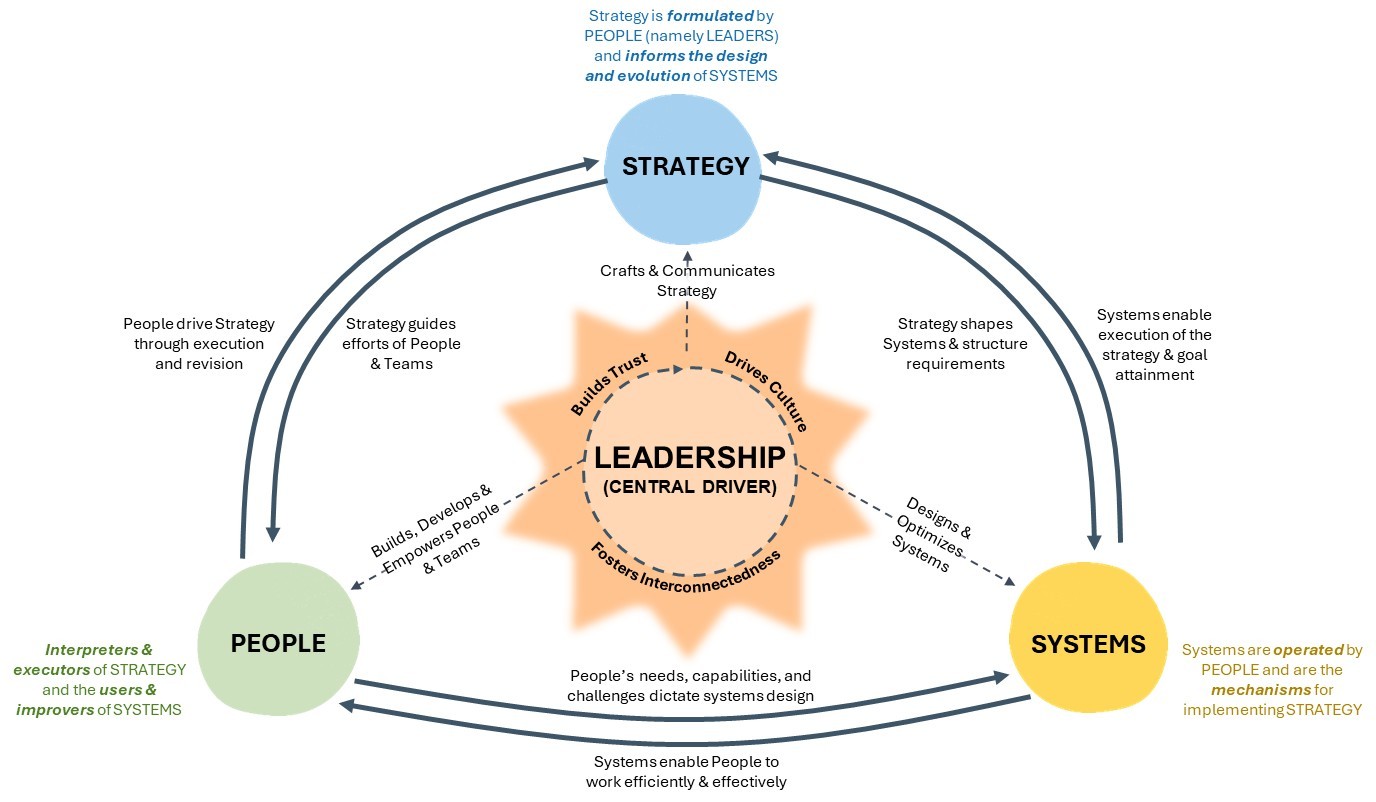
Why Leadership Matters
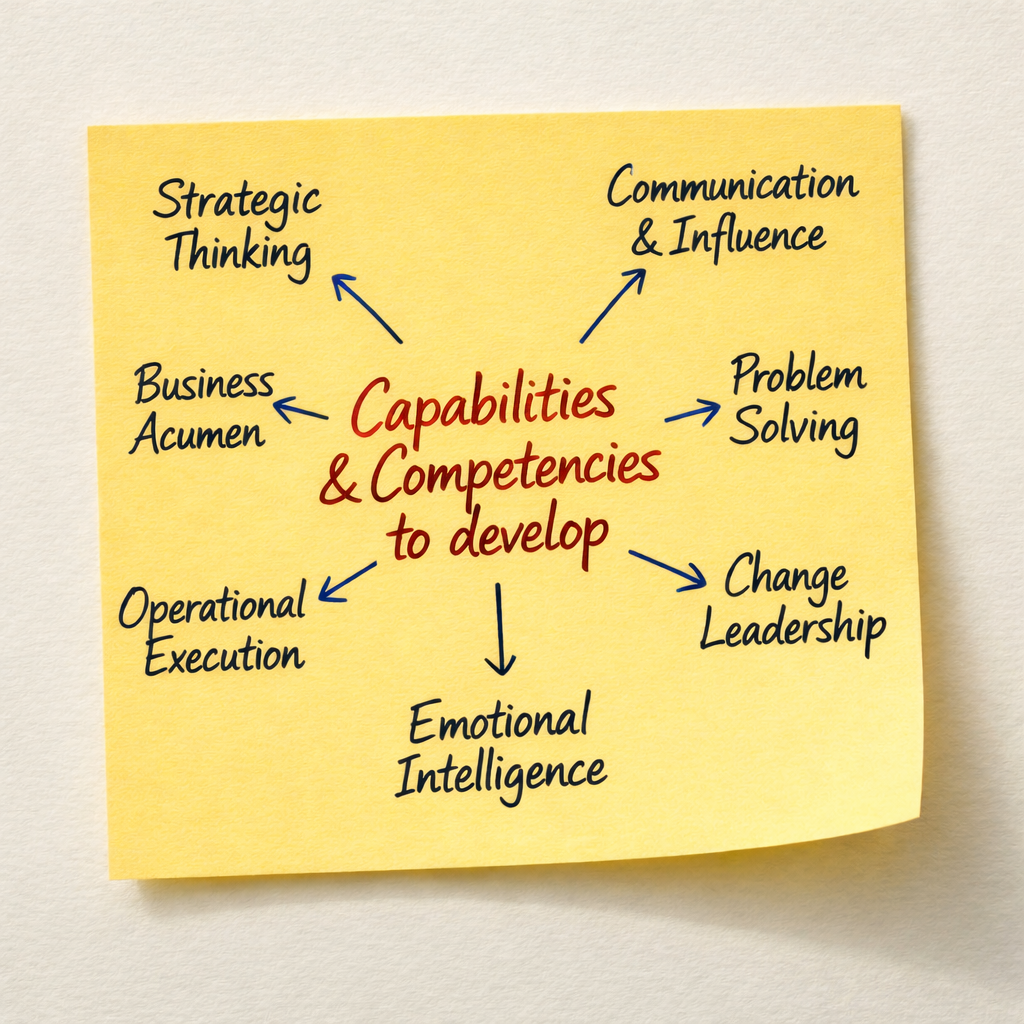
While traditional leadership models have provided foundational skills, Emotional Intelligence (EQ)—skills like empathy, self-awareness, and relationship management—is vital in today’s workforce. Research shows EQ is twice as important as technical skills and IQ for jobs at all levels.
Leaders who demonstrate emotional intelligence create trust, psychological safety, and inclusion—critical factors for retention and engagement. Psychological safety alone can lead to a 50% increase in engagement and a 25% reduction in burnout, while teams with high psychological safety are 21 times more likely to contribute innovative ideas.
The Gender Gap
With women making up only 11% of the construction workforce, the industry is missing out on talent and leadership diversity. Closing this gap requires creating a culture of inclusion, mentorship, and equitable access to leadership development.
Why Diversity Drives Innovation and Profitability
The construction industry’s gender gap is a social issue and a business challenge. Research consistently shows that diverse teams outperform homogeneous ones in creativity, decision-making, and financial results. Here’s why:
- Broader Perspectives = Better Solutions
Complex projects benefit from varied viewpoints. Women bring unique problem-solving approaches that can lead to safer designs, more efficient workflows, and innovative use of technology.
- Higher Profitability
Companies with gender-diverse leadership teams are 33% more likely to outperform peers in profitability (McKinsey). Diversity isn’t just good ethics—it’s good economics.
- Improved Risk Management
Inclusive teams are better at identifying blind spots and anticipating challenges, reducing costly errors and delays.
- Talent Attraction and Retention
A culture that values inclusion attracts top talent—especially younger generations who prioritize equity and belonging. This helps close the labor gap and reduces turnover costs.
- Innovation Through Collaboration
Diverse teams foster psychological safety, which encourages idea-sharing. Studies show teams with high psychological safety are 21 times more likely to contribute innovative ideas.
Steps to Close the Gap
- Mentorship Programs: Pair emerging female leaders with experienced mentors to accelerate growth.
- Leadership Development: Offer training focused on inclusive leadership and emotional intelligence.
- Equitable Access: Ensure women have equal opportunities for high-visibility projects and promotions.
- Visible Role Models: Highlight success stories of women thriving in construction leadership roles.
How Synthology Helps
At Synthology, we bring human-centered consulting and AI-driven insights to tackle these challenges head-on. Our solutions include:
- Leadership development programs focused on emotional intelligence and inclusive leadership
- Culture transformation strategies to foster psychological safety and belonging
- Action learning embedded in work for faster adoption and measurable impact
- AI-powered diagnostics to identify risks and predict attrition before it happens
- Inclusive Leadership Coaching to equip leaders with tools to manage diverse teams effectively and foster belonging
- Diversity diagnostics using AI-powered analytics to identify representation gaps and equity risks across roles and projects.
- Mentorship & sponsorship programs to accelerate advancement for underrepresented groups.
Measurable Outcomes
- Increased retention and engagement
- Improved leadership effectiveness
- Reduced mental health risks
- Accelerated culture change
- Enhanced diversity and inclusion
- Higher Innovation Index
- Enhanced Employer Brand
- Reduced Turnover Among Underrepresented Groups
- Better Project Performance
The Bottom Line
The construction industry doesn’t just need more workers—it needs better workplaces. By investing in leadership, mental health, and inclusion, we can build an industry where people thrive.
Ready to start the conversation? Schedule a leadership diagnostic or culture assessment today.
PSA: Suicide Prevention
If you or someone you know is struggling, help is available.
Call or text 988 (Suicide and Crisis Lifeline) or visit https://988lifeline.org.
You are not alone.
Source List:
1. Associated General Contractors of America (AGC) – 2025 Workforce Survey: Labor Shortages and Project Delays
https://www.agc.org
- Engineering News-Record (ENR) – Construction Industry Suicide Rates and Mental Health Crisis
https://www.enr.com
- Harvard Business Review – Emotional Intelligence Is Key to Leadership Success
https://hbr.org
- Harvard Business Review – Psychological Safety and Team Performance
https://hbr.org
- National Association of Women in Construction (NAWIC) – Women in Construction Workforce Statistics
https://www.nawic.org
- Prosci Research – Change Management Best Practices and Success Rates
https://www.prosci.com
- McKinsey & Company. - Delivering through Diversity. January 2018.