The Organization as a Living System: Why People, Strategy, and Systems Must Dance Together
Have you ever wondered why some organizations seem to thrive, adapt, and outperform, while others struggle to keep up? The answer isn’t just in having a great strategy, talented people, or cutting-edge systems – it’s in how these elements work together, guided by thoughtful leadership.
Let’s explore what it really means to view your organization as a system – a dynamic ecosystem where people, strategy, and systems are constantly interacting, shaping, and reinforcing one another.
1. People: The Heartbeat of the System
At the core of every organization are its people. They’re not just “resources” or “headcount” – they’re the interpreters and executors of strategy, the users and improvers of systems. When people understand the “why” behind their work (the strategy) and have the “how” (effective systems), they’re empowered to do their best.
But it’s not a one-way street. People also shape strategy, bringing fresh ideas from the front lines. They drive system improvements, offering feedback and insights that make processes more efficient. When people are engaged and supported, innovation flourishes and morale soars.
2. Strategy: The Guiding Compass
Strategy is more than a plan. It’s the vision, the destination, and the roadmap. It defines where the organization wants to go and how it plans to get there. But a strategy is only as good as its clarity and relevance to the people who must execute it.
A well-crafted strategy considers input from all levels, not just the top. It’s communicated clearly, so everyone knows what success looks like. And it’s flexible, evolving as people and systems provide feedback. Strategy shapes the skills and behaviors needed, influences talent development, and motivates people to contribute.
3. Systems: The Enabling Infrastructure
Systems are the organizational structures, processes, technologies, and even informal norms that dictate how work gets done. They’re the backbone that supports both people and strategy.
Well-designed systems make work easier, reduce ambiguity, and streamline workflows. They automate routine tasks, freeing people to focus on higher-value activities. But systems must be built with people in mind… user-friendly, efficient, and adaptable. When systems are misaligned with strategy or ignore the realities of human behavior, frustration and inefficiency follow.
4. Leadership: The Glue and the Catalyst
If people, strategy, and systems are the ingredients, leadership is the chef. Leaders craft and communicate strategies, develop and empower people, and design and optimize systems. They’re constantly looking for friction points – places where people, strategy, and systems aren’t working in harmony – and proactively address them.
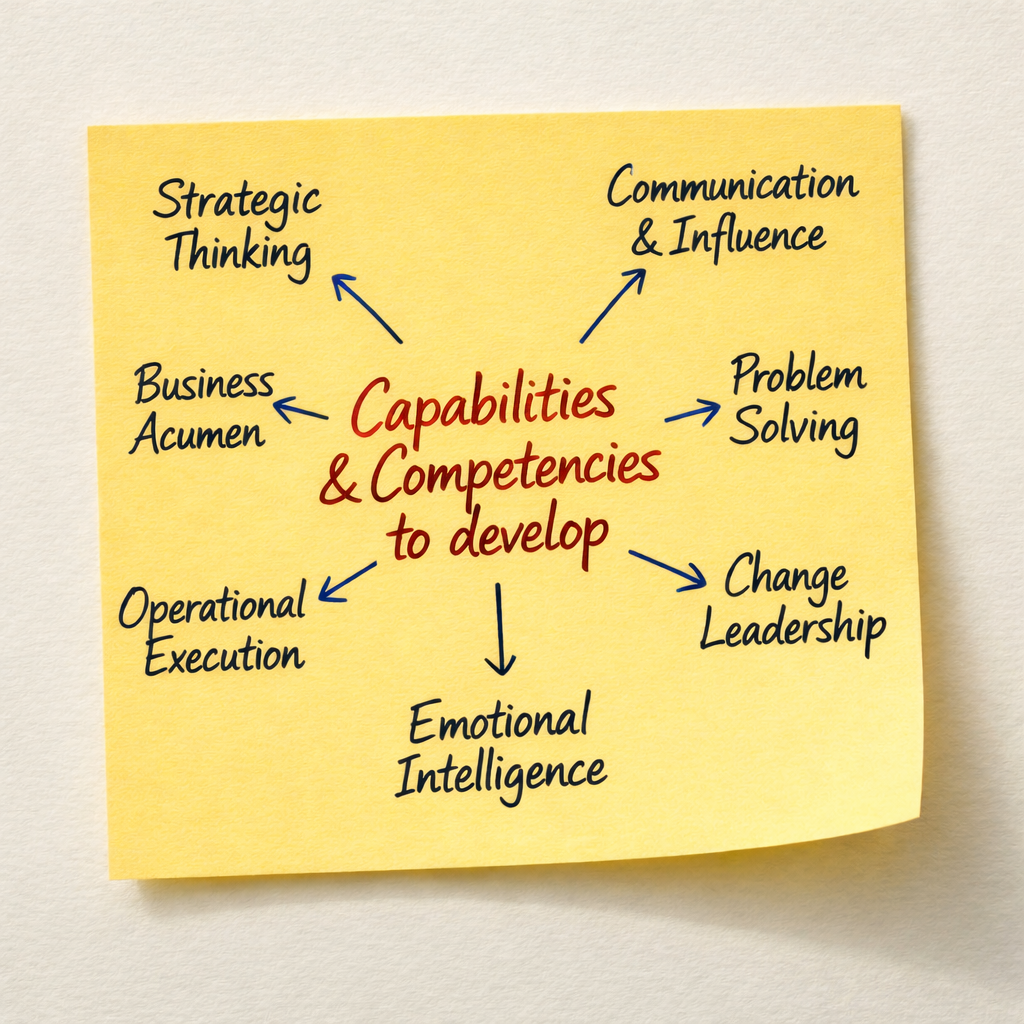
Great leaders foster a culture of trust, accountability, and continuous learning. They ensure feedback loops are active, so insights from people using systems inform strategic adjustments, and vice versa. Leadership development isn’t just an HR initiative – it’s a strategic investment in the organization’s ability to adapt, execute, and sustain high performance.
Bringing It All Together
Viewing your organization as a system means recognizing that no single element operates in isolation. People, strategy, and systems are mutually dependent and continuously intertwined. Leadership is the force that binds them, ensuring alignment and driving culture.
Ask yourself:
- Are your people empowered and engaged?
- Is your strategy clear, compelling, and adaptable?
- Do your systems enable, rather than hinder, performance?
- Are your leaders actively harmonizing these elements and fostering a culture of innovation and psychological safety?
Organizations that thrive are those where these elements are not just present but actively working together. By investing in leadership development and nurturing the interconnectedness of people, strategy, and systems, you create an adaptive ecosystem – one capable of sustaining high performance in a rapidly changing world.
Synthology: Putting the System into Practice
At Synthology, we believe that true organizational transformation happens when people, strategy, and systems are intentionally aligned and continuously improved. Our work centers on helping clients build adaptive ecosystems – where leadership development, team dynamics, and operational excellence reinforce one another.
Through tailored consulting, integrated talent lifecycle solutions, and AI-powered diagnostics, we help organizations identify friction points, close execution gaps, and unlock the full potential of their workforce. Whether it’s designing competency frameworks, bridging technology and process, or embedding learning into daily operations, our goal is to create high-functioning human systems that drive measurable business outcomes.
If you’re navigating complexity, seeking to accelerate innovation, or striving for sustainable performance, Synthology’s approach is built to help you turn strategy into reality – by harmonizing the very elements that make your organization thrive.
Start the Conversation in Your Organization
If this perspective resonates with you, consider starting a conversation within your organization:
- Gather your leadership team and discuss: How well are people, strategy, and systems aligned today?
- Invite feedback from all levels – what’s working, what’s causing friction, and where are the opportunities for improvement?
- Invest in leadership development, not just for executives but for leaders at every level.
- Challenge your teams to identify one area where better alignment could unlock performance or innovation.
Remember, organizations don’t transform overnight. But by viewing your organization as a living system – and by intentionally harmonizing people, strategy, and systems – you lay the groundwork for lasting success.
Ready to take the next step? Start the dialogue, empower your leaders, and watch your organization thrive.
Greg Boylan, COO at Synthology