From Capability to Competency: Building the Future-Ready Workforce
Change is accelerating. Organizations everywhere are navigating digital disruption, regulatory shifts, and evolving workforce expectations. In this environment, success isn’t just about reacting—it’s about building the right capabilities and competencies that will carry your people and your business forward.
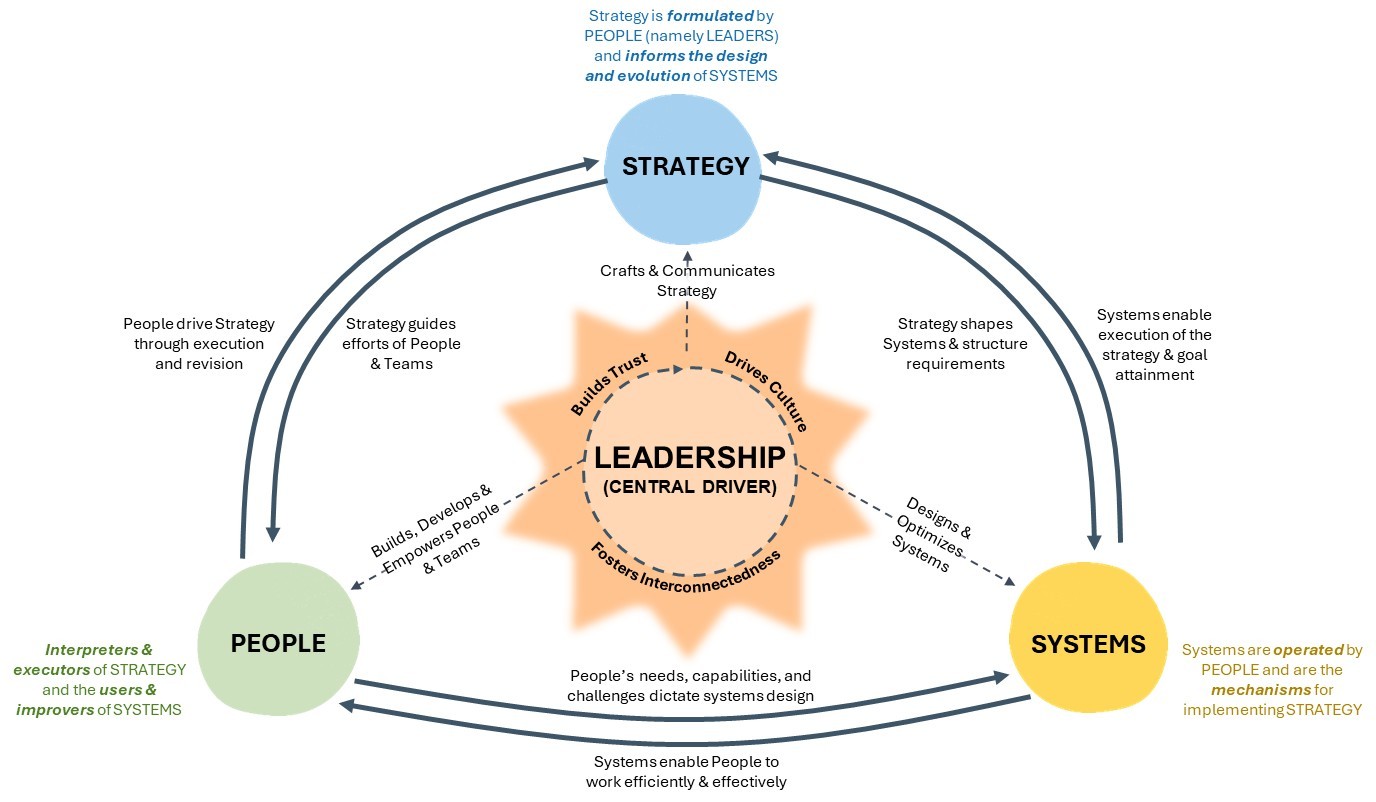
The question for leaders is clear: How do we prepare our workforce for what’s next? The answer lies in aligning organizational capabilities with individual competencies—creating a system where strategy and talent development move in lockstep.
Capability and Competency Defined
Before we dive deeper, let’s clarify two critical concepts:
- Capability: A high-level ability the organization needs to perform to achieve its strategic objectives. Capabilities are enduring and represent what the business must be able to do to stay competitive.
- Competency: A measurable set of knowledge, skills, and behaviors an individual needs to perform a role effectively. Competencies translate organizational capabilities into observable actions at the individual level.
Example: Change Enablement
Capability: Change Enablement
The ability to identify and implement change initiatives that sustain market competitiveness.
This includes scanning for emerging trends, evaluating internal processes, and executing changes that strengthen the organization’s position in the marketplace.
Competency: Demonstrates Change Enablement
Effectively supports and drives organizational change by identifying opportunities, influencing stakeholders, and ensuring successful adoption of new processes or strategies.
This cascade—from capability to competency—illustrates how strategic priorities become actionable behaviors. It’s the bridge between organizational agility and individual accountability.
Why This Matters Now
Capabilities are the collective strengths that allow an organization to achieve its goals. Yet, research reveals a striking gap:
- Nearly 60% of companies say building organizational capabilities is a top-three priority.
- But only one-third align training programs to the capabilities that drive the most value.
That disconnect represents a massive opportunity for leaders who want to future-proof their organizations. In a world where competitive advantage is fleeting, the ability to adapt—and to help your people adapt—is the ultimate differentiator.
Competency Mapping: A Strategic Lever
Competency mapping is more than an HR exercise—it’s a strategic lever for transformation. When organizations clearly define the skills and behaviors needed for success, they unlock:
- Smarter hiring decisions: By clarifying what “great” looks like in each role, organizations reduce the risk of poor hires.
- Stronger leadership pipelines: Competency frameworks identify and develop future leaders with precision.
- More engaged employees: People thrive when they understand how their work connects to the bigger picture.
Consider this: 80% of employee turnover is linked to poor hiring decisions—a risk competency mapping can dramatically reduce. When leaders invest in defining and developing competencies, they don’t just fill roles—they build resilience.
The Payoff of Alignment
When organizations align capabilities and competencies, they create:
- Clear career paths that inspire employees to grow.
- Leadership pipelines that prepare the next generation of leaders.
- Agile workforce planning that aligns skills with shifting priorities.
- Engaged teams who understand how their work connects to strategic goals.
This alignment transforms talent development from a reactive process into a proactive strategy—one that anticipates change rather than scrambling to catch up.
A Thought to Carry Forward
Stephen Covey once said:
“Trust is equal parts character and competence. You can look at any leadership failure, and it's always a failure of one or the other.”
— Stephen M.R. Covey, The Speed of Trust
This wisdom applies not only to individuals but to organizations as a whole. Competence—built through intentional mapping and capability development—is what earns trust from employees, customers, and stakeholders.
The Leadership Imperative
For leaders, the mandate is clear:
- Champion capability building as a strategic priority.
- Invest in competency frameworks that translate strategy into action.
- Create a culture of adaptability where learning is continuous and change is embraced.
This isn’t about adding another HR initiative. It’s about embedding capability and competency alignment into the DNA of your organization—so that every decision, every hire, and every development plan reinforces your strategic direction.
The Bottom Line
Competency mapping and capability building are foundational to strategic and thoughtful transformation. By aligning people development with organizational priorities, leaders create workplaces where growth, resilience, and purpose are part of the culture.
At Synthology, we believe transformation happens when head, heart, and hand come together:
- Head: Thought leadership that shapes vision.
- Heart: Human connection that inspires trust.
- Hand: Practical enablement that turns ideas into action.
The future belongs to organizations that can adapt—and to leaders who can build the capabilities and competencies that make adaptation possible.
Schedule a call to talk about how your organization is mapping capabilities and competencies as part of your strategic growth plan.
Cristine Lipscomb
Synthology CEO & Competency Whisperer
Citations:
- McKinsey & Company. The State of Organizations 2023: Ten shifts transforming organizations. McKinsey Global Survey.
- AIHR (Academy to Innovate HR). Competency Mapping: Definition, Process, and Examples.
- Covey, Stephen R. The Speed of Trust: The One Thing That Changes Everything. Free Press, 2006.