The U.S. construction industry is standing at a crossroads. Demand for infrastructure, housing, data centers, and clean‑energy projects is accelerating — yet the workforce needed to deliver this growth is shrinking. The shortage is no longer a cyclical challenge; it’s structural, demographic, and deepening.
A National Workforce Shortage That’s Reaching Critical Levels
Multiple 2026 national reports paint the same picture: theindustry does not have enough people to meet current or future demand.
- The U.S. needs 349,000 new workers in 2026 just to keep pace with project volume (Fixr, NAWIC).
- 82% of firms report difficulty filling hourly craft roles, and 80% struggle to fill salaried positions (Amtec Workforce Benchmark).
- The share of workers under 25 remains extremely low, while one in five workers is over 55 — signaling a retirement wave that will hit the industry hard over the next five years. (NAHB, Amtec)
This is not a temporary labor squeeze. It’s a systemicworkforce cliff.
The Retirement Wave No One Is Talking About
Union labor — long the backbone of skilled construction work— is aging rapidly. Many locals report that 40–50% of their journey‑level workforce will retire within the next decade. In some trades, the ratio is even higher.
The challenge isn’t just the number of retirements. It’s thelack of succession planning:
- Apprenticeship enrollment is not keeping pace with retirements.
- Younger workers are choosing tech, logistics, and advanced manufacturing over construction.
- Many unions are struggling to attract new entrants at the scale required to replace outgoing talent.
This creates a widening gap between institutionalknowledge leaving the industry and new workers entering it.
Why Inclusion Must Be a Workforce Strategy — Not a Side Initiative
The industry cannot fill the labor gap without expanding whoparticipates in construction careers. And the data shows the opportunity is enormous.
Women remain dramatically underrepresented
- Women make up 11.3% of the construction workforce (Fixr, NAWIC).
- Only 4% of frontline skilled trades roles are held by women (Bluebeam).
- Yet women’s participation has grown 45% over the past decade, signaling strong interest when barriers are removed.
Real challenges that are solvable
Women leaders interviewed in the Fixr/NAWIC reporthighlighted several ongoing challenges:
- Persistent discrimination,
- Pay inequities,
- Lack of mentorship,
- Jobsite culture challenges,
- Limited visibility into career pathways.
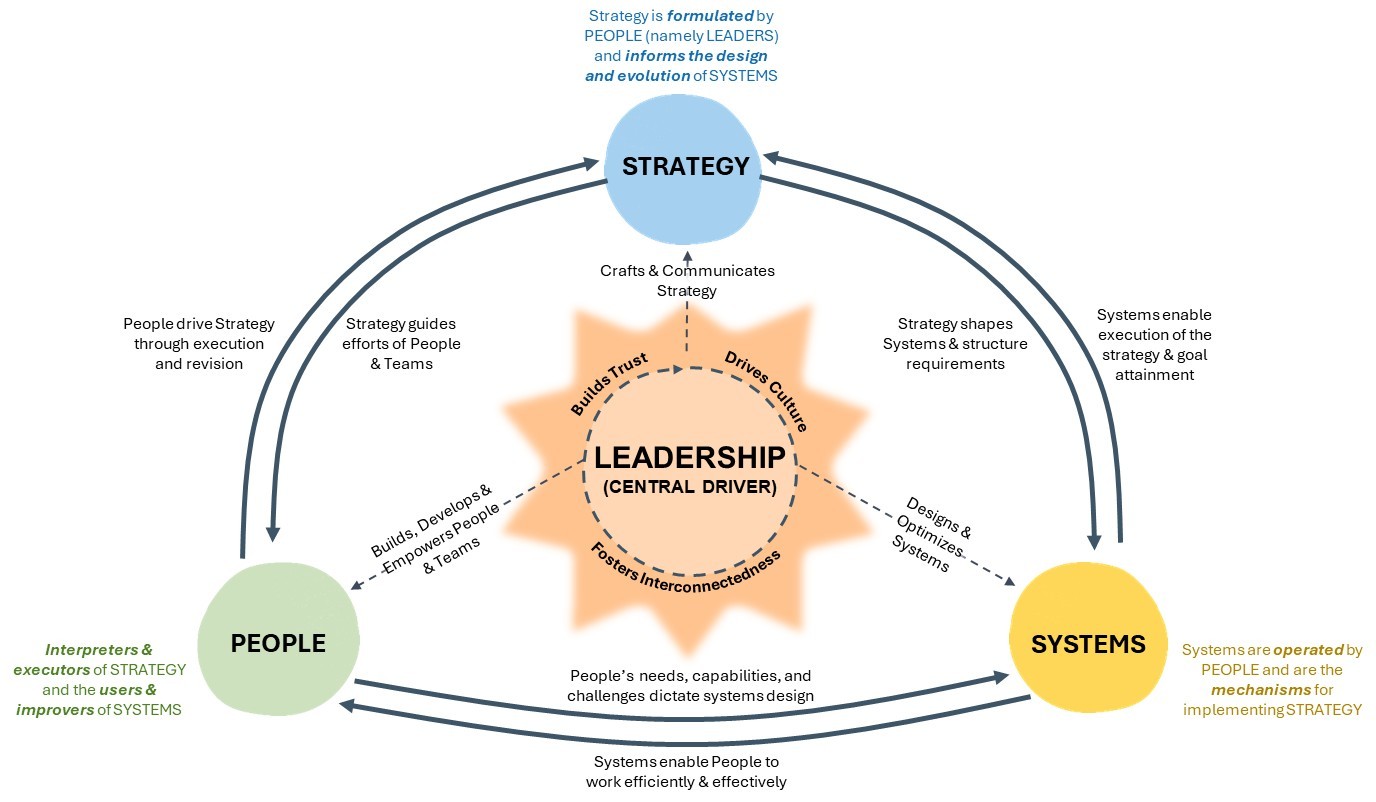
These are not talent issues. They are system design issues —and they can be changed.
Opening the Pipeline: What Inclusion Looks Like in Practice
To stabilize the workforce, the industry must broaden access and modernize how it attracts, trains, and retains talent. This includes:
- Expanding apprenticeship pathways for women, veterans, and career‑switchers.
- Updating jobsite culture and safety practices to support diverse workers.
- Partnering with unions to accelerate recruitment and mentorship programs.
- Revising inclusion requirements in public and private contracts to reflect workforce realities.
- Highlighting career mobility — from apprentice to journey‑level to leadership.
Inclusion is not a compliance checkbox. It’s a workforce multiplier.
The Bottom Line
The construction industry is facing a perfect storm: risingdemand, an aging workforce, and a shrinking pipeline of new entrants. The mathsimply does not work unless we expand who gets to participate.
Women represent the single largest untapped labor pool inthe industry. Broadening inclusion is not just the right thing to do — it’s theonly path to a sustainable, resilient workforce.
If the industry wants to build the future, it must start bybuilding a workforce that reflects it.
…..
If your organization is feeling the strain of workforceshortages, accelerating retirements, or widening skill gaps, this is the momentto step back and examine the entire system. At Synthology, we use data‑drivenassessments and human‑centered diagnostics to help construction leadersunderstand what’s really driving pressure inside their organizations. We workwith you to strengthen leadership capacity, improve team dynamics, and designpractical, future‑ready solutions that support a resilient workforce.
If you’re ready to build a stronger system for thefuture, we’re ready to help you get there.
Get in touch: Sources:
Fixr / NAWIC (2026). Women in Construction Week2026: Leveling Up the Industry. Women inConstruction Week 2026: Leveling Up the Industry | Fixr.com
Amtec (2026). U.S. Construction Workforce Data& Benchmarks (2025–2026).
U.S. Construction Workforce Data & Benchmarks (2025–2026)
Bluebeam Built Blog (2026). Women in Construction2026.
How Construction Erased Women | BUILT